FOR OUR FAMILIES. FOR OUR FUTURE.

Ask Dadtoday.It Could Change
His Tomorrow.

A simple ask can make a big difference.

FOR OUR FAMILIES. FOR OUR FUTURE.

Ask Dadtoday.It Could Change
His Tomorrow.

A simple ask can make a big difference.

AskDad prostate health conversation
“Real conversations can start with one simple question.
WHAT IS ASKDAD?

A Simple Ask Can Make a Big Difference.

AskDad is the flagship prostate cancer awareness campaign of Curt Cares, Inc. We help men and families start conversations about prostate health, understand risk and screening, and know what questions to ask.

Our outreach also focuses on rural and underserved communities, where trusted information, screening resources and access to care may be harder to find.

AskDad isn't about having all the answers. It's about caring enough to start the conversation.

Real People. Real Conversations. A Healthier Tomorrow.

GET THE BASICS

What IsProstate Cancer?

Prostate cancer begins when cells in the prostate grow abnormally. The prostate is a small gland in the male reproductive system located below the bladder.

Prostate cancer can grow slowly or more aggressively, and in its early stages it often causes no noticeable symptoms. That’s one reason understanding your risk and talking with your healthcare provider about screening can be important.

Pelvic anatomy showing the bladder, prostate, rectum and urethra
ProstateMALE REPRODUCTIVE SYSTEM

The prostate is a walnut-sized gland in the male reproductive system located just below the bladder and in front of the rectum. It surrounds the upper portion of the urethra and produces fluid that contributes to semen and helps support sperm.

WHY IT MATTERSBecause the urethra passes through the prostate, changes in the size or condition of the prostate can sometimes affect urinary function. The prostate's location is also important when healthcare providers evaluate prostate health.
START HERE

Prostate

MALE REPRODUCTIVE SYSTEM

The prostate is a walnut-sized gland in the male reproductive system located just below the bladder and in front of the rectum. It surrounds the upper portion of the urethra and produces fluid that contributes to semen and helps support sperm.

WHY IT MATTERSBecause the urethra passes through the prostate, changes in the size or condition of the prostate can sometimes affect urinary function. The prostate's location is also important when healthcare providers evaluate prostate health.
Risk, age and family history can help guide when screening should be discussed.Talk with a healthcare provider about your individual risk and when screening may be appropriate.
Second Most Common Cancer in MenMen May Be Diagnosed in Their LifetimeHigher Mortality for Black MenOklahoma Outcomes Remain a Concern
COMMON
KEY FACTS

What Men Should Know.

Prostate cancer affects men in every community. Understanding a few key facts can help turn awareness into informed conversations and appropriate next steps.

These aren't just statistics. They're reasons to know your risk, ask questions and have the conversation.
THE NUMBERS TELL THE STORY

The conversation can change what happens next.

Understanding the facts is the first step. Knowing your individual risk is what comes next.

WHY THIS MATTERS IN OKLAHOMA
0th
Cancer Outcomes
Oklahoma ranks 39th in prostate cancer outcomes and mortality.
0%
Lifetime Risk
About 1 in 8 men will be diagnosed with prostate cancer.
0+
Diagnosed Each Year
More than 3,000 Oklahoma men are diagnosed with prostate cancer each year.
WHY THIS MATTERS IN OKLAHOMA
0th
Cancer Outcomes
Oklahoma ranks 39th in prostate cancer outcomes and mortality.
0%
Lifetime Risk
About 1 in 8 men will be diagnosed with prostate cancer.
0+
Diagnosed Each Year
More than 3,000 Oklahoma men are diagnosed with prostate cancer each year.
KNOW YOUR NUMBERS
0%
Veterans Have a Higher Risk
Veterans face a higher risk of prostate cancer and should talk with their healthcare provider about screening.
0+
Average Age at Diagnosis
Prostate cancer is most commonly diagnosed in men age 65 and older.
0K
Men Diagnosed Yearly in the U.S.
Hundreds of thousands of men are diagnosed with prostate cancer in the United States each year.
RISK FACTORS

What Can Increase Your Risk?

Anyone can get prostate cancer, but some factors may increase a man's risk. Knowing your risk can help you have more informed conversations with your healthcare provider.

Age prostate cancer risk factor
AGE MATTERS
THE BOTTOM LINE

Know your risk. Have the conversation.

Understanding your personal risk can help you and your healthcare provider decide what's right for you.

KNOW YOUR NUMBERS
0%
Veterans Have a Higher Risk
Veterans face a higher risk of prostate cancer and should talk with their healthcare provider about screening.
0+
Average Age at Diagnosis
Prostate cancer is most commonly diagnosed in men age 65 and older.
0K
Men Diagnosed Yearly in the U.S.
Hundreds of thousands of men are diagnosed with prostate cancer in the United States each year.
REAL CONVERSATIONS. REAL IMPACT.

It Starts With a Conversation

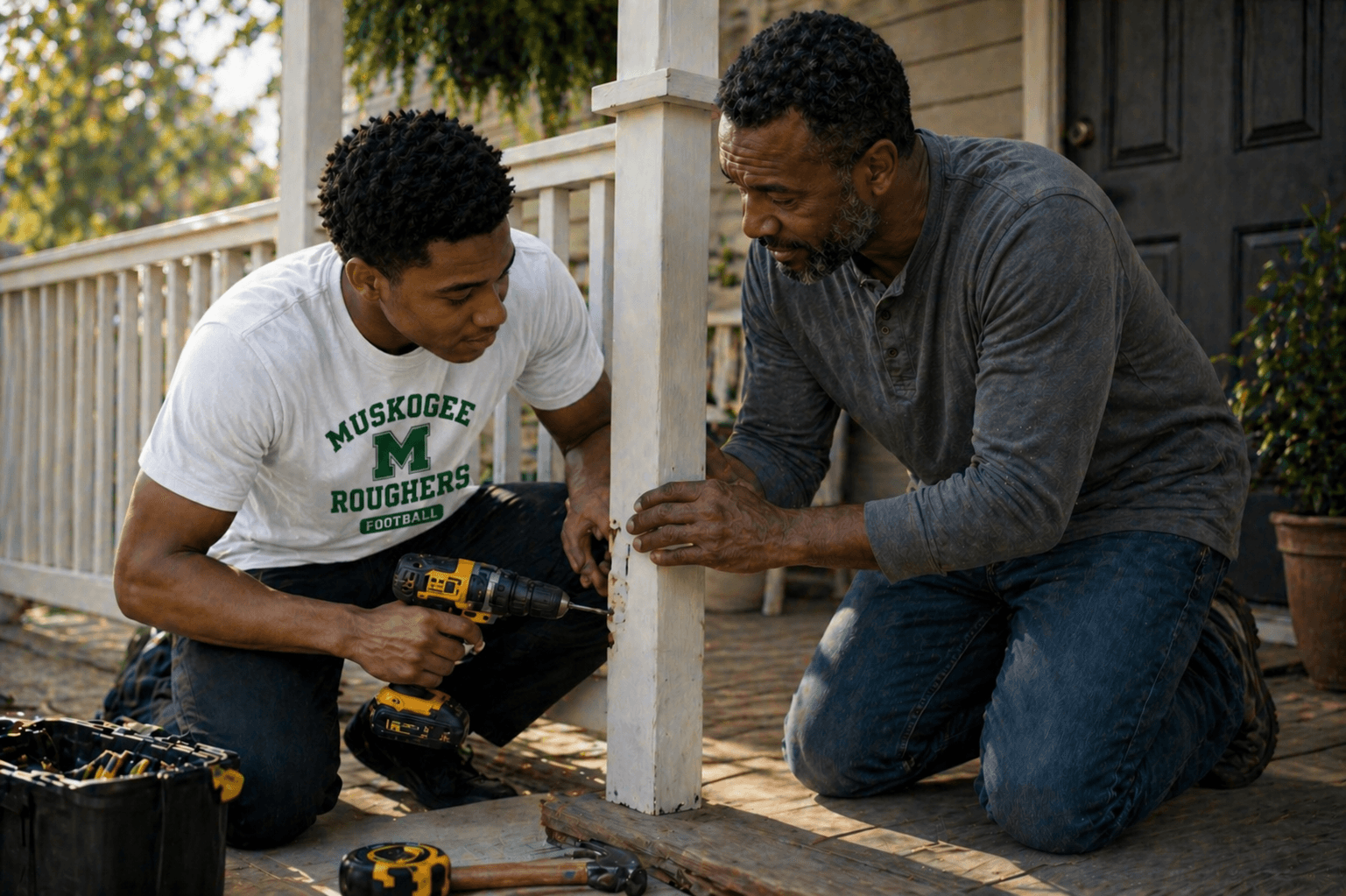
A simple conversation can open the door to better health, stronger relationships and more tomorrows. You don't need to have all the answers — you just need to care enough to start the conversation.

“

Sometimes the most important conversations are the hardest to start.

A simple conversation can open the door to something bigger.

Sometimes knowing a little more makes asking a little easier.

You don't have to have all the answers. Sometimes you just have to be there.

NOT SURE WHAT TO SAY?

Start with one simple question.

MAKE IT SIMPLE

What to Ask Dad

You don't need the perfect words. Sometimes a simple question is all it takes to start a conversation about his health.

A QUESTION WORTH ASKING

When was your last check-up?

Many men put off routine healthcare when they feel fine. Asking about his last check-up can open the door to a broader conversation about prostate health.


TRY SAYING...

“Dad, when was the last time you had a regular check-up? I just want to make sure you're staying on top of your health.”

A QUESTION WORTH ASKING

Many men put off routine healthcare when they feel fine. Asking about his last check-up can open the door to a broader conversation about prostate health.

TRY SAYING...

“Dad, when was the last time you had a regular check-up? I just want to make sure you're staying on top of your health.”

KNOW WHAT APPLIES TO HIM

Risk is not the same for every man. Age, family history, race and other health factors can help shape the conversation he has with his healthcare provider.

TRY SAYING...

“Dad, do you know if anything in our family history or your age affects your prostate cancer risk?”

OFFER YOUR SUPPORT

Taking the next step can feel easier when someone is there with you. Offering to go along can turn a difficult conversation into something supportive and practical.

TRY SAYING...

“Dad, if you want to talk to your doctor or get checked, I can go with you. You don't have to do it alone.”

Want more questions to help start the conversation?
ANSWERS FOR A HEALTHIER TOMORROW

Prostate Cancer FAQs

Prostate cancer can feel overwhelming. These answers can help you understand risk, screening and next steps so you can have a more informed conversation with your healthcare provider.

Still have questions?
That’s what AskDad is all about.
What to Ask Dad

FAQ

Have Questions?
You're Not Alone.

Prostate cancer can feel overwhelming. Here are answers to common questions from men and their families. For more guidance, talk with your healthcare provider.

Prostate Cancer FAQs

ANSWERS FOR A HEALTHIER TOMORROW

Prostate Cancer FAQs

Prostate cancer can feel overwhelming. These answers can help you understand risk, screening and next steps so you can have a more informed conversation with your healthcare provider.

Still have questions?
That’s what AskDad is all about.
What to Ask Dad
PARTNER WITH ASKDAD

Help Us Turn
Awareness Into
Action.

Healthcare systems, nonprofits, employers and community leaders can help AskDad reach more men, expand screening awareness and connect families with trusted resources.
Become a Partner→
REAL CHANGE HAPPENS TOGETHER.
TOGETHER, WE CAN
REACH MORE MEN.
Stronger Healthier Communities
Partner
Join the movement and help bring trusted prostate health information to more men and families.
TRUSTED ORGANIZATIONS. SHARED PURPOSE.
Organizations already working alongside AskDad.
See our current partners →
Stephenson Cancer CenterCherokee Nation Public HealthOklahoma State Department of HealthOklahoma Comprehensive Cancer Network
The Ask Starts With You

One Question Can Change the Conversation.

Prostate health doesn't always come up on its own. Sometimes it takes a son, daughter, spouse, friend or loved one to simply ask.

“

Dad, have you talked to your doctor about your prostate health?

Tap the question

Ask today. It could change his tomorrow.